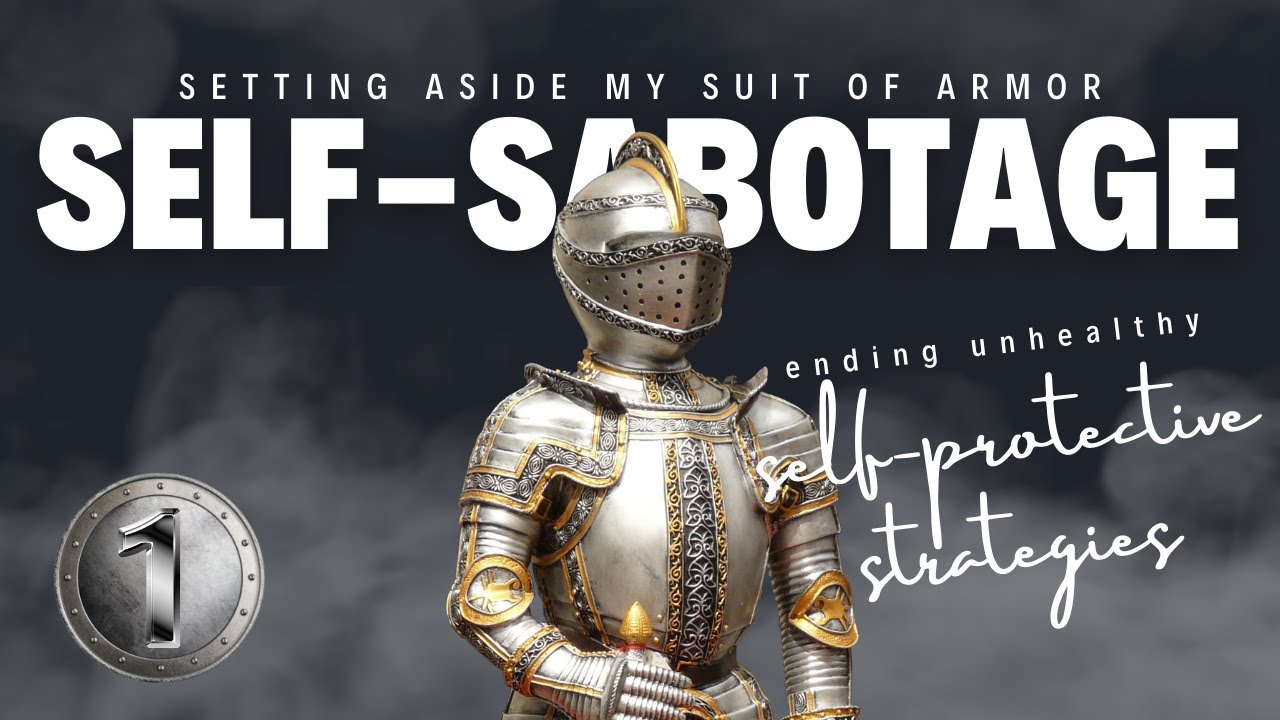
Pastor Kerry Decker is a master life coach, author, and creator of programs designed to help people navigate life's challenges. He teaches with warmth and clarity, helping people trade unhealthy self-protective strategies for habits that actually heal.
After being hurt or betrayed it is tempting to adopt defensive habits that feel safe, however, they can actually work against growth. If you want to improve your relationships, first identify the ways you protect yourself that could actually be causing harm.
Step 1: Stop Withdrawing and Isolating
When betrayal happens, the first impulse is often to pull away. Avoiding people feels like protection but isolation creates loneliness and removes the checks and balances that help us see whether our thoughts are moving us toward healing. To improve your relationships, prioritize connection with healthy people instead of isolating.
Simple Steps to Start Connecting:
- Schedule one social contact each week. Coffee with a trusted friend or a short phone call can break the spiral of isolation.
- Choose people who model emotional safety. Not every relationship needs to be deep; some just remind you that connection is possible.
- Journal to clarify thoughts before acting. Writing reduces rumination and prepares you for better conversations.
Step 2: Learn Wise Trust — Not Distrust
Betrayal often creates trust issues. You might swing between naivety and hyper-vigilance. Your problem is not trusting; it is unwisely trusting. To improve your relationships, practice discernment: build trust gradually and include verification as part of healthy connection. Take note that what they DO matches what they SAY.
Practical steps:
- Set small, testable expectations. Trust is earned in increments.
- Ask clarifying questions. Healthy curiosity prevents assumptions that fuel mistrust.
- Maintain boundaries that feel safe. Boundaries are not walls; they are guides that help trust grow.
Trust and verify.
Step 3: Redirect Anger
Anger and resentment are natural reactions to betrayal. They can be powerful catalysts for change if processed constructively. But when anger becomes habitual, it becomes a toxic suit of armor that ruins communication and corrodes relationships. If your aim is to improve your relationships, learn to move through anger rather than live inside it.
How to process anger:
- Name the feeling. Saying, "I feel angry," reduces its unconscious charge.
- Redirect anger into constructive action. Use anger as fuel or inspiration to set boundaries or seek solutions, not to retaliate or harm.
- Practice forgiveness as a decision, not a feeling. Forgiveness opens your hands from bitterness and frees you to build healthier bonds.
Step 4: Only Own Your Part
To improve your relationships, learn to own appropriate responsibility without accepting blame that does not belong to you. It's incredibly rare that one person in a conflict is 100% to blame. Take responsibility for your contribution but taking on guilt that belongs to the other person keeps you stuck in shame and prevents growth. You can't change them but you can work on changing your contribution to the problem.
Responsibility leads to growth:
- List facts, not interpretations. Separate what happened from feelings and the stories you tell about what happened.
- Identify any real contribution you made. Identify what you contributed, name the behavior, and plan a corrective step.
- Reject blanket condemnation. Admit mistakes without collapsing your worth.
Step 5: Tone Down Defensiveness and Improve Communication
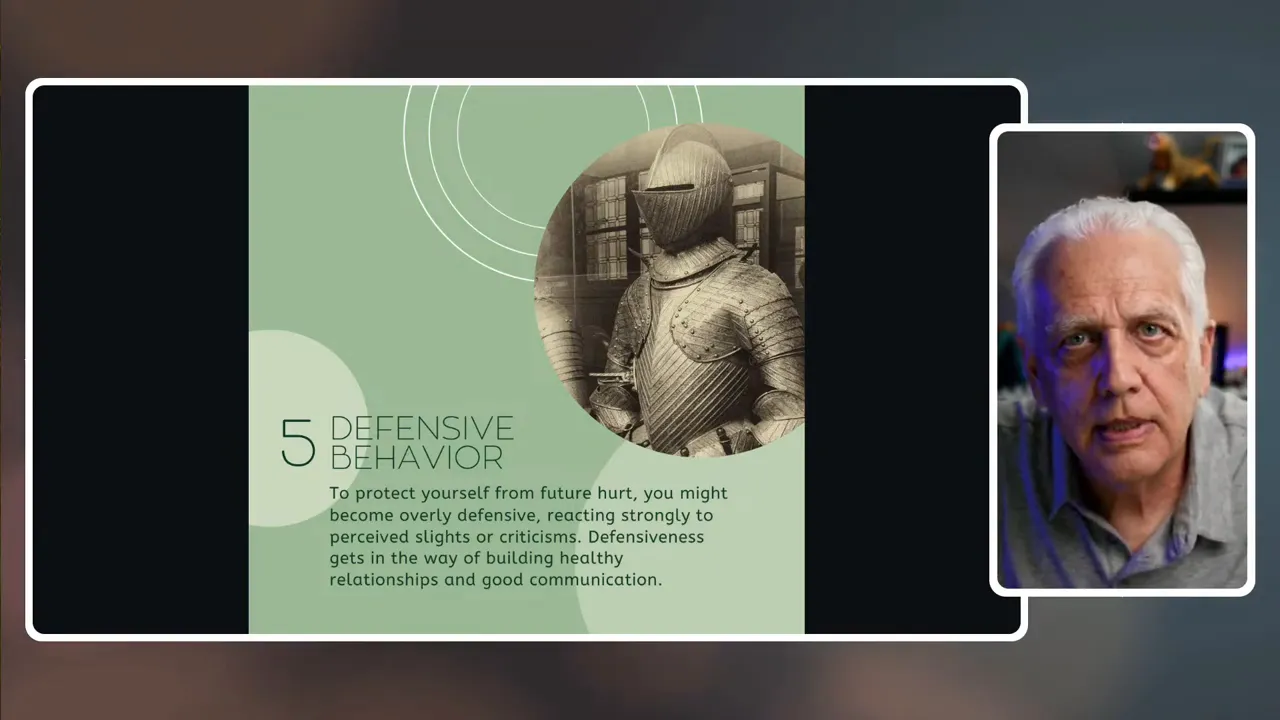
Defensiveness keeps you from hearing feedback and building healthy connection. After hurt, it is easy to react strongly to perceived slights. Defensiveness closes doors; vulnerability opens them. If you want to improve your relationships, practice receiving input without turning it into an attack.
Practice tools to minimize defensiveness:
- Pause before responding. Take three slow breaths to avoid impulsive replies.
- Ask for specifics. Asking, "Can you give an example," turns accusation into usable information.
- Use "I" statements. Describe your experience rather than blaming.
Step 6: Replace Protection with Practice
Armor keeps you from getting hurt, but it also keeps you from living fully. The final step to improve your relationships is intentionally putting that armor down and adopting practices that cultivate safety and connection.
Build healthy habits:
- Progress Check. Routinely review emotions, expectations, and progress with a partner or friend.
- Accountability partners. Invite someone to help you notice when you revert to unhelpful habits and help you stay on track.
- Skill-building. Learn new methods, attend a small group, or engage a coach to practice communication, conflict resolution, and boundary-setting.
- Compassion rituals. Short practices that cultivate self-compassion reduce the reflex to self-blame and defensiveness.
The goal is not perfection. The goal is steady progress. When you consistently replace unhealthy behaviors (withdrawal, unwise trust, rage, self-blame, and defensiveness) with healthy behaviors (connection, discernment, processed emotion, healthy responsibility, and openness) you will begin to improve your relationships in measurable ways.
Quick Checklist to Guard Against Self-Sabotage
- Are you avoiding people who are safe? If yes, schedule a connection.
- Do you assume the worst in others? If yes, practice gradual trust.
- Is anger shaping your words? If yes, pause, process, and practice gratitude.
- Do you blame yourself for everything? If yes, list the facts and own only your contributions.
- Are you defensive? Practice asking for examples and using "I" statements.
Changing old habits takes time and practice. Use these six steps as a roadmap to improve your relationships by intentionally choosing growth over protection. When you lay aside the suit of armor, you invite connection, healing, and stronger, more honest relationships.
If you want support, consider working with a New Destiny coach who understands betrayal recovery and relational growth.
New Destiny Coaching can help YOU! |
|
Find out how... |
| Click Here |
