Join us as we walk through a step-by-step approach to reclaiming our lives by first understanding what forgiveness is not. Continue reading or take a moment to watch the video first.
Step 1: Identify What Forgiveness Is Not
Before we can practice forgiveness well, we must first reject common myths that sabotage our progress. Here are five myths people commonly believe about forgiveness:
- Myth 1 — Forgiveness means forgetting. This is perhaps the biggest misconception. Even God, who knows everything, does not forget when he forgives. Forgetting would be impossible and unwise. Instead, we forgive and remember in a new way that no longer binds us to pain. Remembering can be a tool for learning and protection.
- Myth 2 — Forgiveness means pretending nothing bad happened. Forgiveness is not denial. We can only forgive real wrongs. Minimizing the harm is not forgiveness; it is avoidance. Acknowledging reality is the starting point for authentic healing.
- Myth 3 — Forgiveness equals excusing the behavior. There is no legitimate excuse for wrongdoing. Forgiveness is not compromise on right and wrong. Wrong doesn't become right.
- Myth 4 — Forgiveness requires ongoing contact. We can forgive at a distance. Not every offender is safe to keep close. Remember this wise saying: “The best place to keep a dangerous dog is behind a high fence.” We can forgive someone while maintaining whatever distance is necessary for our safety.
- Myth 5 — Forgiveness automatically changes the offender or guarantees reconciliation. Forgiving changes us; it does not magically alter another person’s heart. Reconciliation is a separate process that requires demonstrated, sustained change and wise discernment.
When we remove these myths, forgiveness stops being a demand to sacrifice our boundaries or reality. It becomes a choice that frees us without giving away our safety or truth.
Step 2: Choose Forgiveness as a Personal Power
Once we understand what forgiveness is not, the next step is to claim it as a personal power. Forgiving is not something we owe to the offender; it is something we owe to ourselves. When we hold onto anger, bitterness, hatred, or resentment, those emotions imprison us. Forgiveness is the key that unlocks the door to a freer life.
Consider the options available after being hurt: hatred, bitterness, anger, resentment, or forgiveness. When we think it through, we see that the person who benefits most from forgiving others is us. Forgiveness opens the door to new life because it severs the link between what happened and our ability to live with a free heart.
- We can forgive without waiting for an apology.
- We can forgive without waiting for admission of wrongdoing.
- We can forgive without asking permission or expecting cooperation.
Forgiveness is a choice that remains in our control. No one can take away our ability to choose it. Choosing forgiveness is a way to enlarge our future.
"Forgiveness does not change the past but it does enlarge the future."
Step 3: Practice Forgiveness without Losing Boundaries
Forgiving does not equal naivety. We often fear forgiving because we believe it requires us to reconcile or to expose ourselves to more harm. Instead, we must forgive intelligently—at whatever distance is safe and wise for us.
Here are practical steps to forgive safely:
- Clarify safety. Ask ourselves whether the person is safe physically, emotionally, financially, or spiritually.
- Set boundaries. Decide the level of contact that protects our well-being—this may mean no contact, limited contact, or monitored interaction.
- Get counsel. Talk through intentions and expectations with someone wise who will tell us the truth.
- Believe actions. If reconciliation is possible later, require consistent evidence of trustworthy behavior over time.
Adopt the policy: “I hear what you say. I believe what you do.” Trust is earned through steady behavior, not merely through promises or apologies. Forgiveness precedes reconciliation; it does not replace it.
Step 4: Use Forgiveness to Reclaim Our Lives
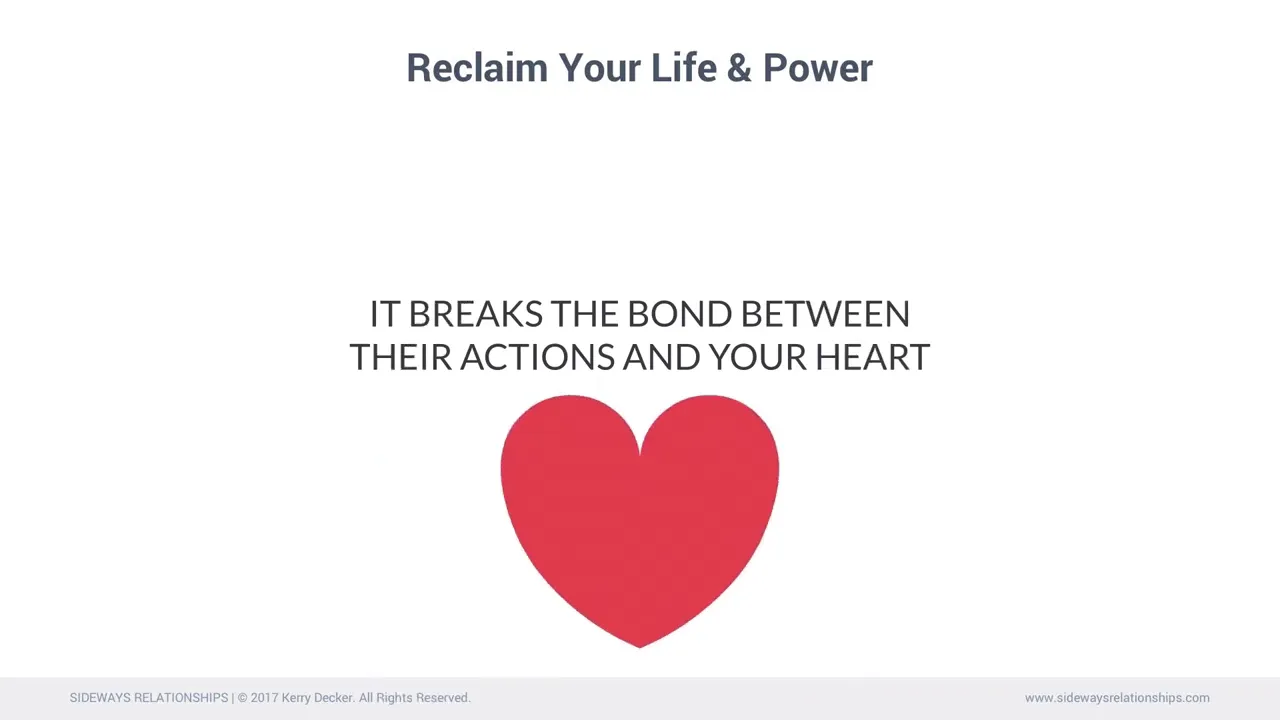
Forgiveness is an act of reclaiming power. When we forgive, we intentionally break the bond that ties our emotional life to another person’s wrongdoing. That bond often looks like repeating patterns of hurt, replaying the story over and over, or allowing the offender to have power over our emotions. To reclaim our life with forgiveness, we do the following:
- Refuse to let the past keep defining present choices.
- Replace rumination with small, focused steps toward the life we want.
- Reinvest the energy previously spent on resentment into relationships, work, or spiritual growth.
Remember: forgiving changes us. It does not necessarily change the offender. That's okay. Our job is to free ourselves from bondage, not to fix another person.
Explore Our Coaching Services |
|
Discover How New Destiny Coaching Can Help You |
| Learn More |
Step 5: Decide About Reconciliation Wisely
Not all forgiveness leads to reconciliation. Reconciliation should be considered only when it is safe, when the other person demonstrates consistent change, and when wise counsel supports the decision.
Follow these guidelines before attempting reconciliation:
- Evidence of Growth: Look for consistent, observable change over a meaningful period.
- Trial Period: Make reconciliation conditional and phased, not all-or-nothing.
- Maintain Support: Keep trusted friends or counselors involved as accountability partners.
- Forgiveness is a Priority, Reconciliation is a Privilege: Remember that forgiveness may be complete even if reconciliation is never possible.
We must be quick to forgive and careful with trust. Remember—“trust only the trustworthy”—is an effective guide for protecting our hearts while practicing forgiveness.
Step 6: Turn Forgiveness into a Way of Living
When we practice forgiveness repeatedly, it becomes part of our character and transforms how we approach conflict. Turning forgiveness into a habit requires patience, practice, and self-compassion. Here are exercises we can use to build that muscle:
- Daily reflection: spend five minutes each evening identifying one resentment and intentionally releasing it.
- Journaling: write a short letter expressing forgiveness (you do not have to send it).
- Reframing: when a memory of hurt arises, state aloud a truth that counters the hold of that memory. Turn to the truth of the Bible. You are more than a conqueror. (See Romans 8:37)
- Get support: talk with a coach, pastor, or therapist to navigate complex hurts and relationship decisions.
As we practice forgiveness, we will notice freedom increasing. Forgiveness gives us back time, emotional energy, and the capacity for new love. We do not need an offender’s permission to forgive; the choice is ours.
"The best place to keep a dangerous dog is behind a high fence."
This helps us remember that boundaries and forgiveness are compatible. We can forgive while protecting ourselves.
Conclusion: Enlarge the Future by Forgiving Today
We have walked through a step-by-step plan to understand what forgiveness is not, claim forgiveness as our power, forgive without surrendering safety, use forgiveness to reclaim life, approach reconciliation prudently, and develop forgiveness as a daily practice.
To summarize the essentials:
- Forgiveness is a choice we make for ourselves.
- Forgiveness does not demand forgetting, excusing, or unsafe reconciliation.
- We can forgive without the offender’s apology or cooperation.
- Reconciliation is separate and must be earned by trustworthy behavior over time.
By understanding and granting forgiveness we find our way to a fuller, more meaningful life.
"Forgiveness does not change the past but it does enlarge the future."
Let us choose that enlarged future and practice forgiveness in ways that protect and empower us.
Dive deeper: watch the full series, Understanding Forgiveness from New Destiny Coaching. Need help moving forward? Connect with a Life Coach at New Destiny Coaching today!
