How to Get Your Relationship Back on Track

Relationships rarely fall apart all at once. More often, they drift. A couple starts with love, hope, and every intention of building something lasting, and then somewhere along the road things begin to go sideways. That is exactly the issue Pastor Kerry Decker and Karen Johnson of New Destiny Network and Emily McCary set out to address. Their message is simple and refreshing: if relationships can go off track, they can also be realigned.
There are reasons relationships unravel, and there are practical ways to respond with wisdom, strength, and health. If you have ever wondered why something that started with so much promise became painful, confusing, or distant, there is a path forward.
Step 1: Stop assuming good intentions are enough
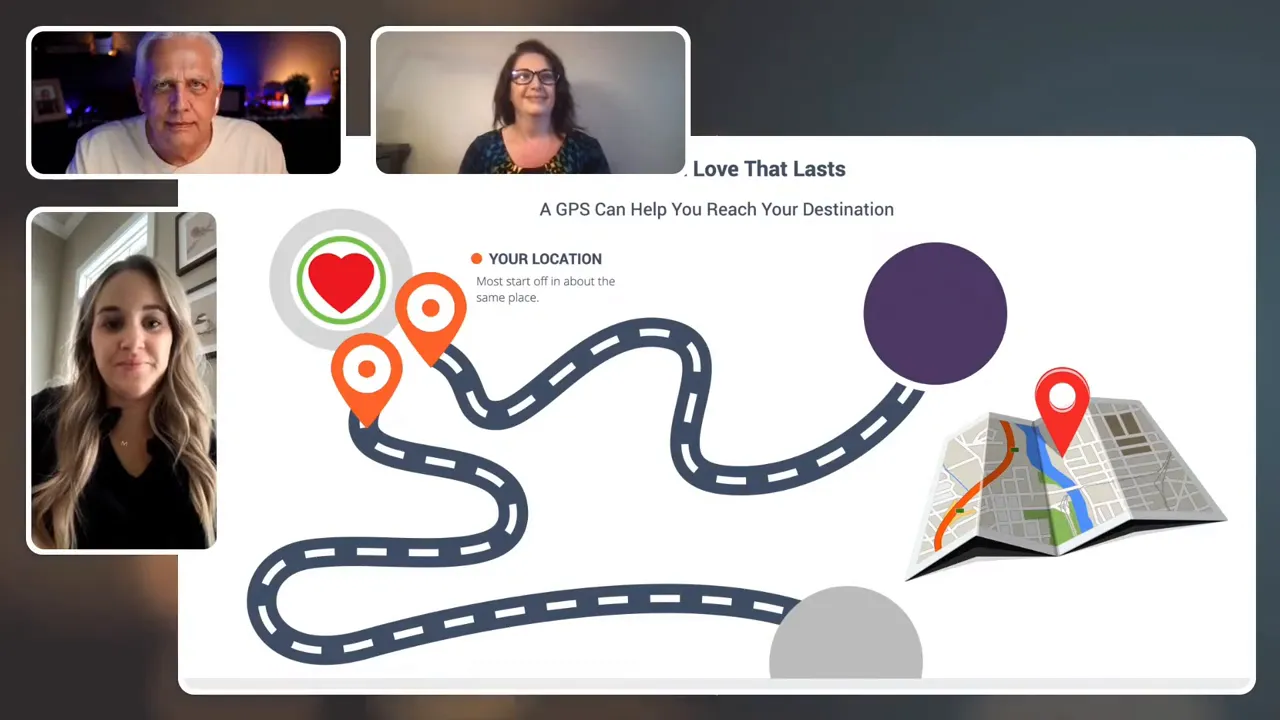
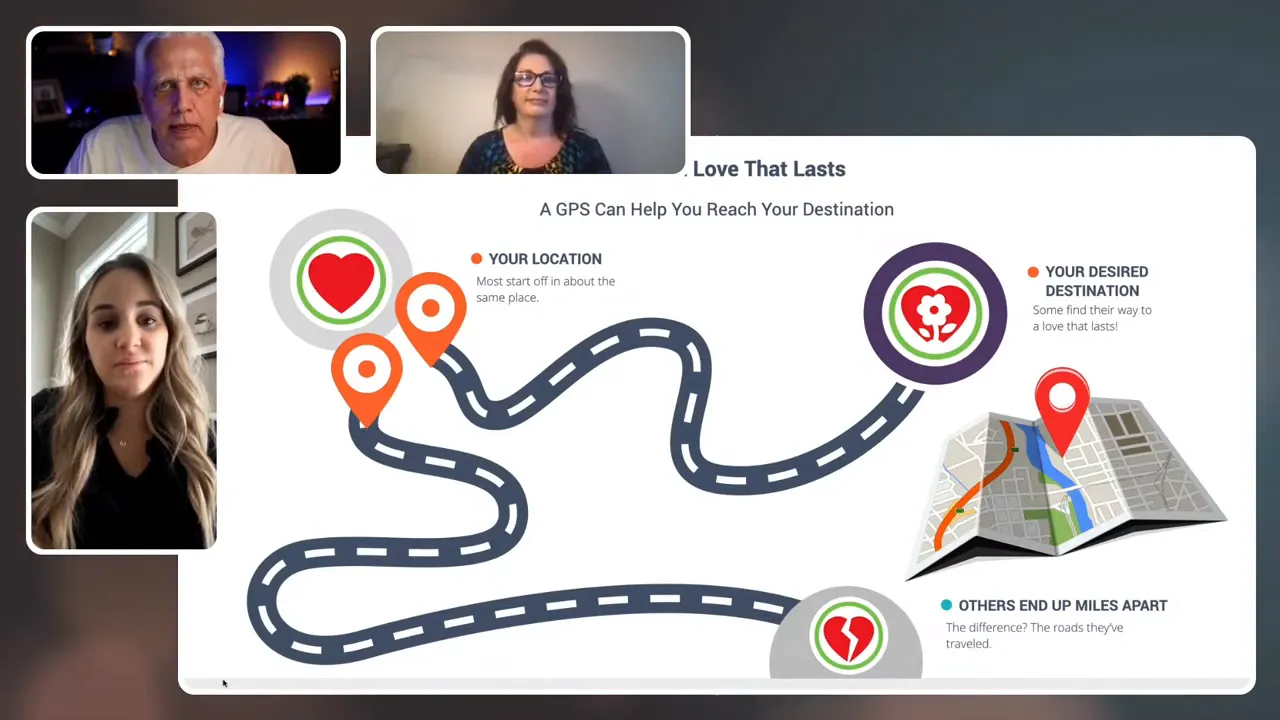
Most Relationships begin with the same destination in mind. People want lasting love. They want closeness, trust, peace, and the sense that they have found their person. Nobody enters a serious commitment aiming for heartache.
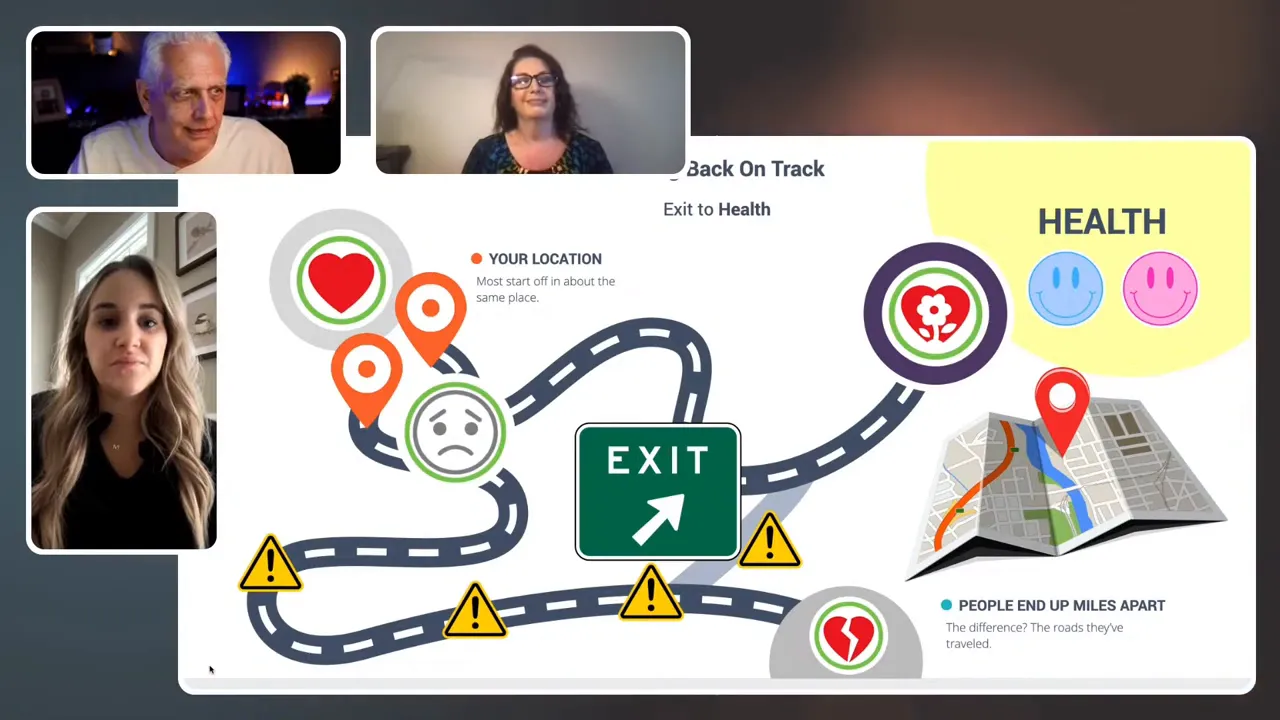
That is what makes relationship trouble so disorienting. You can start off in the right place and end up miles from where you wanted to go. Think about GPS. Pastor Kerry explains that when you know where you are, and where you want to go, the next question is whether the road you are taking will actually get you there.
Many people in struggling relationships are sincere. They care. They want things to work. But sincerity alone does not guarantee direction. You can be deeply committed and still be headed the wrong way.
Awareness is important. Healthy relationships are not built by accident. They are built by learning to recognize when you're veering off course before you're completely lost.
Step 2: The real reason relationships go sideways
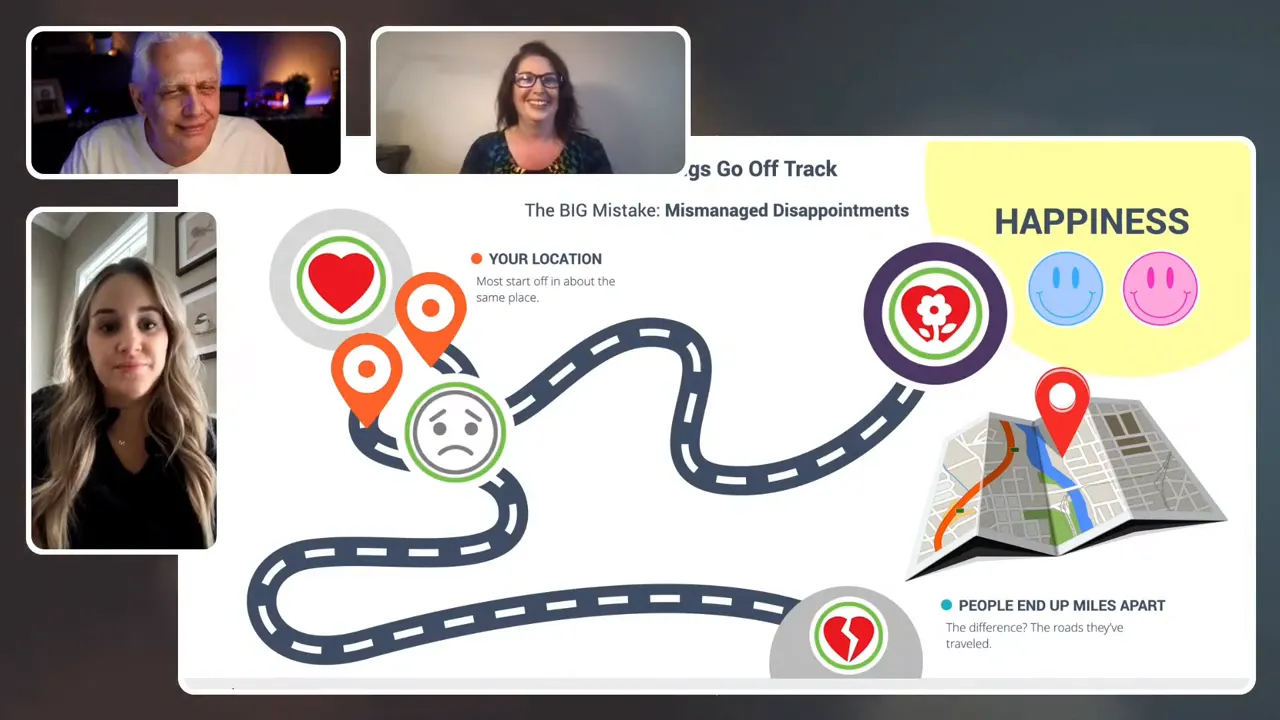
The breakdown of relationships is often rooted in mismanaged disappointment.
Think about that for a moment.
Every close relationship eventually runs into disappointment. Sometimes it comes through hurtful behavior such as dishonesty, betrayal, harsh words, or neglect. Sometimes it comes through life itself. Stress, loss, illness, pressure, and changing seasons can expose weaknesses that were easy to ignore when things were better.
The disappointment itself is not always what destroys relationships. The deeper issue is how that disappointment gets handled.
When disappointment is ignored, excused, denied, or allowed to fester, the relationship starts changing shape. Resentment grows. Trust weakens. Communication gets guarded or explosive. The other person begins to look different, and not in a flattering way.
Emily points out that once someone disappoints you in a serious way, it can become hard to see them as the person you first fell in love with. That shift in perception is one of the most painful moments in relationships. It is not just that something bad happened. It is that your whole view changes.
But, disappointment is not the final word. If it is managed well, Relationships can recover. If it is managed poorly, they typically continue to deteriorate.
Step 3: Replace the wrong goal with the right one
According to Pastor Kerry, one major reason relationships go off track is that people chase the wrong goal. The wrong goal is happiness.
That may sound surprising at first. After all, who doesn't want happiness in their relationship?
The problem is not happiness. The problem is making happiness the central target. Happiness is unstable. It changes with moods, seasons, circumstances, and expectations. If happiness becomes the standard by which you measure your relationship, then every hard moment feels like proof that something is broken beyond repair.
Happiness is a feeling, and feelings are not constant. If relationships are built on a feeling that comes and goes, then they will always feel fragile.
The healthier goal is not happiness but relational health.
Healthy relationships are rooted in things that can actually be developed:
- Emotional maturity
- Honest communication
- Personal responsibility
- Healthy boundaries
- Wise responses to conflict
- Consistency over time
Happiness is often a byproduct of health. But relational health is something you can intentionally pursue, even when life is difficult.
Step 4: Relational health is your responsibility
This is where many relationships either begin healing or remain stuck.
Pastor Kerry says that your partner does not have the power to create lasting happiness for you. That burden is too heavy for any person to carry. When one person expects the other to fill every emotional gap, stabilize every fear, and satisfy every longing, disappointment becomes inevitable.
But there is another side to this that is deeply empowering. Even if your partner is behaving in ways that are unhealthy, you can choose healthy ways to respond.
That does not mean pretending everything is fine. It does not mean tolerating destructive behavior. It means refusing to let another person’s dysfunction dictate your own choices.
A healthy relationship with a dangerous person may require distance. A healthy relationship with a liar means you do not blindly trust what they say. Health is not always closeness. Sometimes health means setting clear limits/boundaries and sticking to them.
This is crucial for relationships that have become painful. Many people think health means saving the relationship at any cost. That is not true. Health means responding wisely, truthfully, and with self-respect, whether the relationship fully recovers or not.
Step 5: Take the exit ramp, even if your partner doesn't
If your current pattern is leading toward breakdown, then at some point you have to decide you are getting off that road. Not tomorrow. Not when the other person finally agrees. Now. This decision is personal before it is mutual.
Explore Our Coaching Services |
|
Discover How New Destiny Coaching Can Help You |
| Learn More |
You may want your partner to join you in healthier patterns, and hopefully they will. But you cannot drag someone into maturity. You cannot force healing. You cannot make another person become honest, humble, or responsible.
Karen puts it plainly. You cannot force someone, but you can stay patient, keep moving forward, and set boundaries so that their unhealthy behavior does not define the whole relationship.
That is an empowering stance in relationships. It keeps you from being passive, and it also keeps you from trying to control the uncontrollable.
Step 6: Stop tolerating what hurts you
Pastor Kerry offers a blunt principle that applies to many relationships: you get what you tolerate.
If you tolerate abuse, you create space for abuse to continue. If you tolerate lies, empty promises, insults, or repeated disrespect, those things usually do not improve on their own. They become the norm. This is where boundaries become necessary.
Healthy boundaries in relationships are not punishment. They are protection. They clarify what is acceptable and what is not. They communicate that love does not require surrendering truth, safety, or dignity.
Boundaries don't just matter in marriage, but in friendships and family relationships too. Healthy boundaries strengthen relationships.
Step 7: Watch for patterns before they become disasters
After years of counseling couples in crisis, Kerry began to notice patterns. Sideways relationships usually do not become sideways overnight. There are signs along the way.
There are signals that reveal whether a relationship is moving toward lasting love or toward a breakdown. It's important to pay attention to early signs.
Do not wait until the emotional wreckage is severe before asking serious questions.
When Karen was dating she invited trusted perspectives to give insight. Taking time before making a serious commitment can reveal patterns that infatuation often hides. Seeing in different seasons can protect you from avoidable pain later.
Strong relationships are not built merely by chemistry. They are strengthened by wisdom, observation, and truth.
Step 8: Get back on the right road and build love on purpose
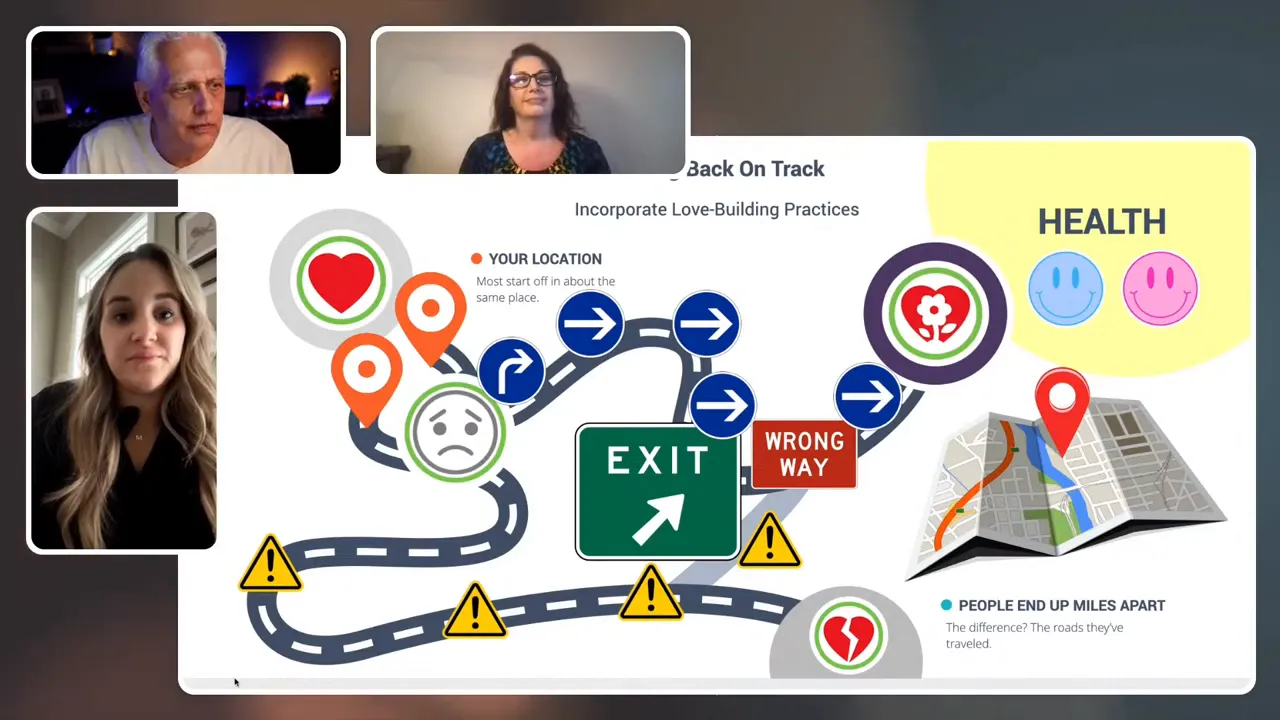
It is not enough to avoid the wrong road. Relationships also need the right practices.
Pastor Kerry points to love-building habits as the positive counterpart to warning signs. While certain behaviors quietly erode connection, other behaviors steadily restore it.
Healthy relationships require active investment. They need attention. They need realignment when conflict appears. They need both people, when possible, to make choices that build trust rather than drain it.
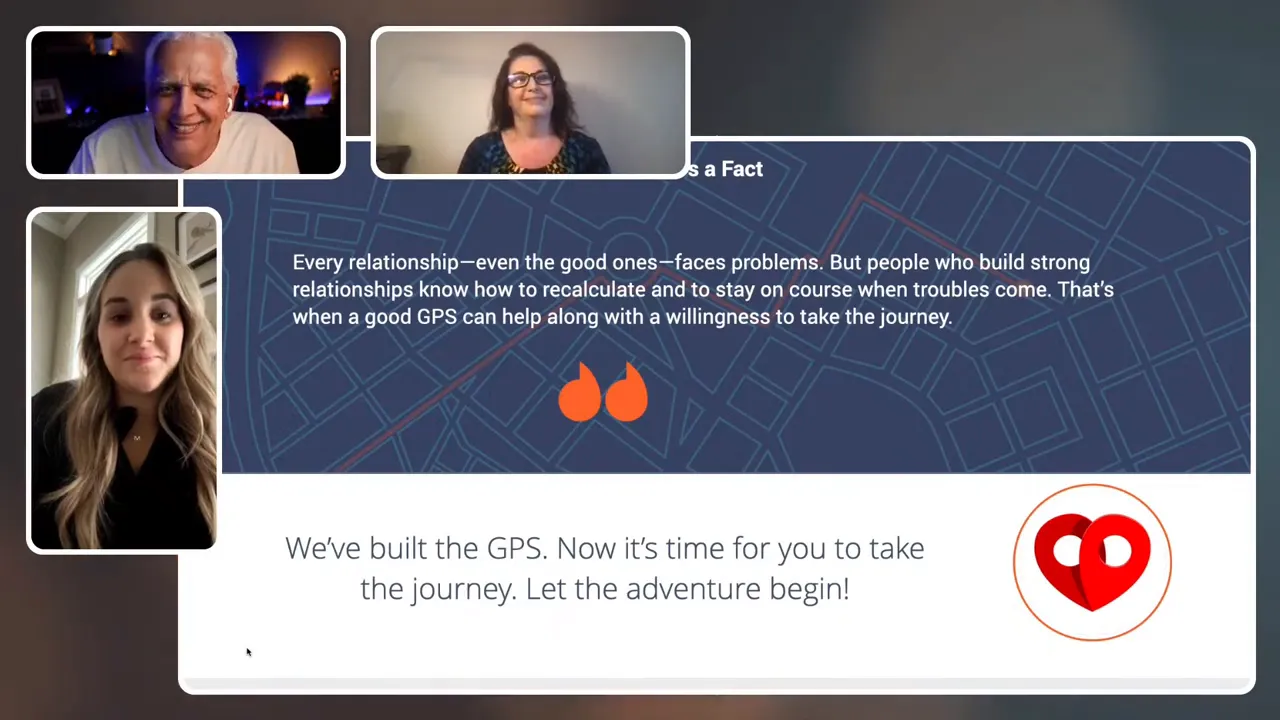
Healthy relationships still face problems. The difference is that healthy people learn how to recalculate instead of surrendering every time the road gets rough.
Step 9: Hold on to hope and be honest
There is a hopeful tone running through this whole message, but it is not shallow optimism.
Not every relationship will end in reconciliation. Not every person will choose growth. Some offenses are serious. Some patterns are destructive enough that distance becomes necessary. Pastor Kerry does not treat every issue like it is small, and he is equally careful not to excuse relationship felonies as if they were minor mistakes.
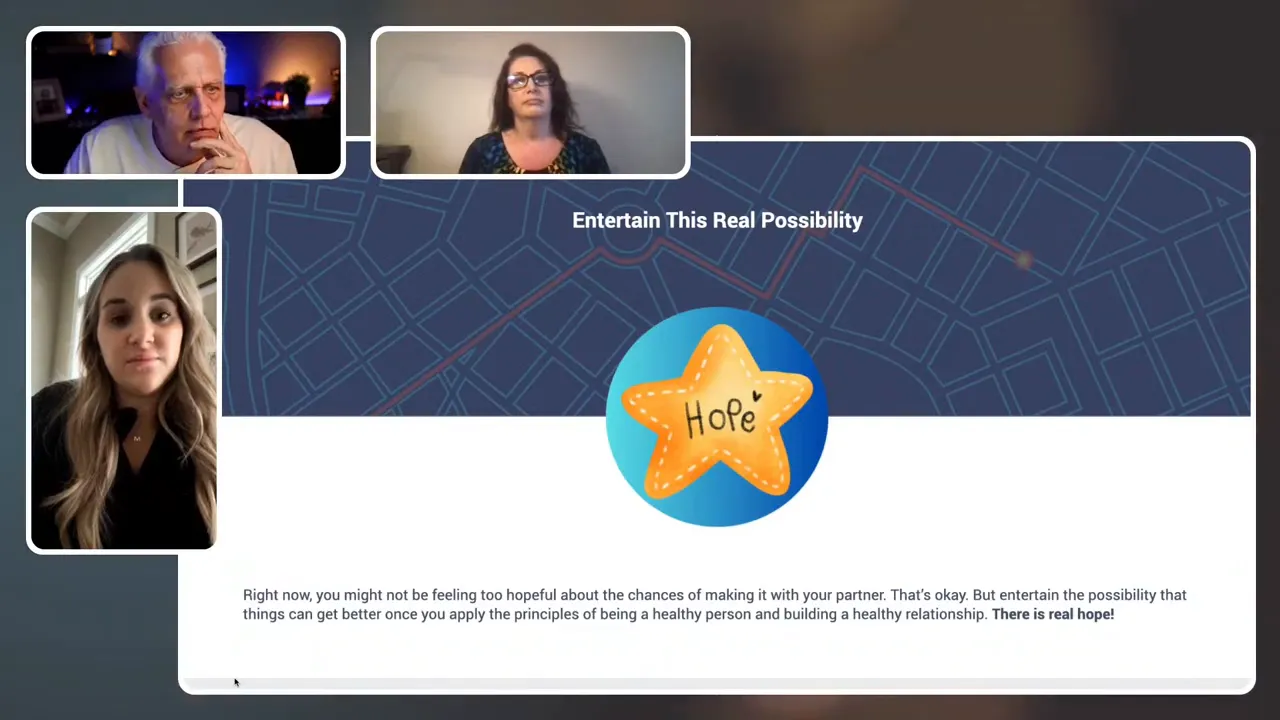
Still, there is real hope for change.
This hope is not based on denial. It is based on this truth: when you change and become healthier, everything around you begins to change. Your decisions change. Your standards change. Your communication changes. Your boundaries change. And those changes reshape your relationships, whether by restoring them or by clarifying what they truly are.
That is why this matters so much. You may not be able to drive the other person’s car, but you can choose your route. You can stop repeating what has damaged you. You can learn to manage disappointment instead of being ruled by it. You can trade the chase for happiness for the pursuit of health.
When you do, relationships become something you approach with wisdom, courage, and intention.
Step 10: Recalculate and keep moving
The bottom line is simple. Relationships go off track when expectations are misplaced, disappointments are mishandled, and unhealthy patterns are tolerated too long. They get back on track when people choose health, set boundaries, respond wisely, and keep building what strengthens love.
If your relationships feel stuck, there is no shame in recalculating. In fact, that may be the healthiest move you can make.
A good GPS cannot drive for you, but it can help you to stop heading in the wrong direction. From there, the next step is yours. Reach out to New Destiny Coaching and get your relatioinship back on track.